★★★★☆4.9(418 reviews)
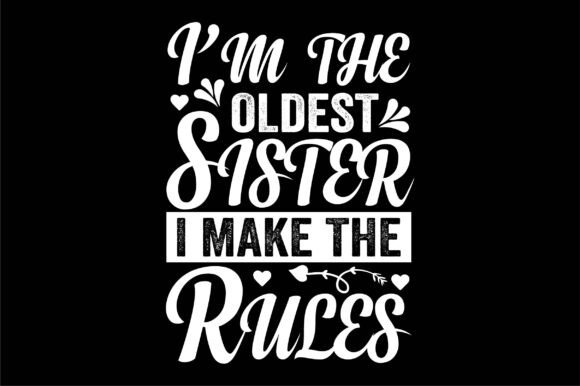
I’m the Oldest Sister I Make the Rules
Where to Use Carefully
- Small hoop sizes: If you're working with a tight hoop area, the design could lose readability unless properly scaled down.
- Textured fabrics: On materials like canvas or flannel, the stitches may not lie flat and could appear uneven or fuzzy.
- Thin or stretchy fabrics: These require extra stabilizer support, and without it, the text might distort or become hard to read.
- Dark fabric backgrounds: Thread color contrast becomes crucial here. You’ll need to test different thread combinations to ensure visibility.
- Curved surfaces like caps: Text can warp or misalign on curved areas, so careful placement and possibly a split stitch approach are needed.
- Dense stitch areas: If your design includes heavy fill stitch near the text, it might compete visually and reduce the overall impact.
Designer Notes for Optimal Use
- Test first: Always run a trial stitch on scrap fabric to see how the design translates into embroidery. This helps identify issues with scale, stitch direction, or fabric compatibility early.
- Check thread color contrast: Especially if you plan to embroider on dark fabric. Consider using white or metallic threads for better visibility.
- Review stitch density: If you're making items like blankets or pillow covers, adjust the density to match the fabric thickness and intended durability.
- Confirm hoop size: While specific dimensions aren't listed, I advise checking the design specs to ensure it fits comfortably within your available hoop sizes.
- Inspect small details: If the design includes tiny letters or intricate elements, verify that they remain legible and intact after stitching.
- Use proper stabilizer: Whether you're working on a soft knit or a stiff denim, the right stabilizer can prevent distortion and improve stitch quality.
- Test in black and white: Before committing to specific thread colors, simulate how the design looks in grayscale to assess its structure and contrast.
- Compare light and dark backgrounds: This helps determine how versatile the design is for different product types and customer preferences.
- Consider licensing: If you plan to sell the finished product or offer it as a digital embroidery file, confirm the licensing terms to avoid legal complications later.
Project-Specific Applications
- Tote Bags: The design looks excellent centered on a cotton canvas tote. It feels empowering and humorous, perfect for a gift or retail sale. - Sweatshirts: On a heavier fleece, the design needs a good backing stabilizer to prevent stretching. But once done, it adds a warm, personal touch. - Baby Clothes: A smaller version of the design could work on a onesie or bib, provided the font is large enough for easy reading and safe stitching. - Patches: If digitized as an applique design, it could become a popular embroidered patch for backpacks or jackets. - Nursery Decor: Stitched onto a pillow cover or wall hanging, it brings a playful element to the room, especially when paired with pastel thread colors.
⬇️ Download Free
Free download · No sign-up required
🔗 You Might Also Like
T-Shirt Designs
As an embroidery designer who has tested countless machine embroidery designs , ...
T-Shirt Designs
As an experienced embroidery designer and product reviewer, I’m always looking f...
T-Shirt Designs
As an embroidery designer with years of hands-on experience, I’m always evaluati...
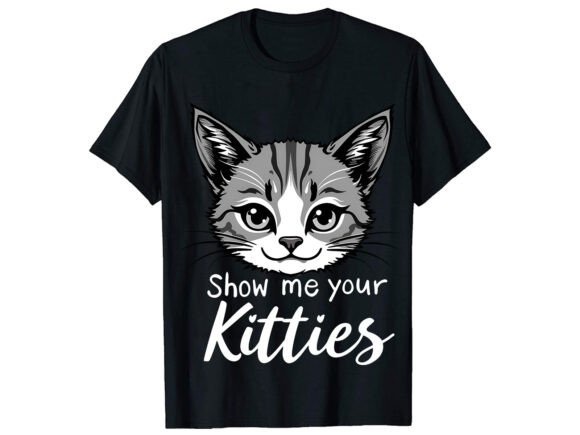
T-Shirt Designs
First Impressions and Visual Personality The Show Me Your Funny T-Shirt Design i...
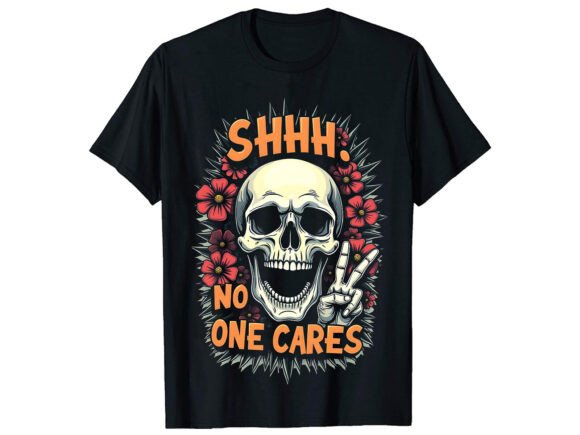
T-Shirt Designs
As an experienced embroidery designer and product reviewer, I’ve evaluated count...
