You Can’t Scare Me I Have a Crazy Sister
As an experienced embroidery designer and product reviewer, I’m always looking for designs that balance personality with practicality. “You Can’t Scare Me I Have a Crazy Sister” is one of those quotes that immediately grabs attention with its bold humor and emotional punch. It’s not just another phrase stitched into fabric — it has the potential to be a standout piece in custom apparel or handmade gifts when used thoughtfully.
First Impressions: A Design That Speaks Volumes
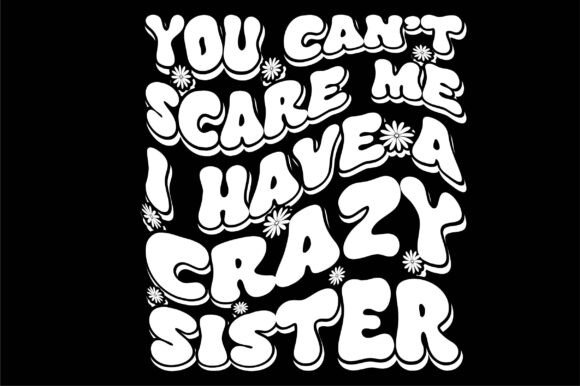
The first thing I notice about this design is its confident tone and clear visual hierarchy. The text layout feels modern yet approachable, making it versatile enough for both casual and more polished projects. The stylized font adds character without becoming overly ornate, which is a big plus for machine embroidery where readability is key.
Ideally suited for T-shirt designs and graphics, the phrase works well as a central statement on a garment or as a quirky accent in a larger design. Its playful nature makes it especially appealing for sweatshirt embroidery, tote bag design, or even holiday gifts where a personal touch can make all the difference.
Visual Personality and Project Fit
“You Can’t Scarse Me I Have a Crazy Sister” has a distinct visual personality — it’s bold, expressive, and a little bit cheeky. This kind of energy fits perfectly with personalized gifts and handmade products aimed at teens, young adults, or anyone who loves family-themed humor. In my experience, such designs resonate most when they reflect authenticity and aren’t overdone with unnecessary details.
When evaluating how this design might look after stitching, I consider the overall layout. The spacing between letters is generous, allowing for clean stitch lines without overcrowding. However, if you're planning to add decorative accents or layer it with other elements, be mindful of the density and how it interacts with the rest of the design.
Real-Life Embroidery Performance
In real-life embroidery scenarios, this design holds up well across various applications. For example, when preparing a custom embroidered tote bag for a boutique product line, the quote reads clearly and maintains its charm after being stitched onto cotton canvas. The same goes for sweatshirts — the phrase remains legible and visually engaging, even after repeated washing.
- Custom Apparel: Works great on t-shirts, hoodies, and long-sleeve shirts. Choose a solid background color to ensure thread contrast isn’t lost.
- Baby Clothes: While the wording may be too adult for some baby items, it could fit nicely on a sibling gift like a onesie for an older child or a nursery decor pillow cover.
- Patches & Aprons: As an embroidered patch, the design is impactful but should be sized appropriately to avoid overwhelming smaller surfaces. On aprons, it adds a fun twist to kitchen wear.
- Etsy Listings: This design can elevate your handmade product offerings. It's perfect for digital embroidery files sold as part of a themed collection or paired with printable mockups for customer previews.
- Caps and Hats: Be cautious here. The curved surface of a cap requires careful placement and often lower stitch density to prevent puckering or distortion.
If you’re an Etsy seller or small shop owner, using this design in your craft business can help build brand recognition. It’s memorable and has a unique voice that sets it apart from generic sayings. Just remember to pair it with the right products — think casual tees, cozy sweaters, or reusable bags rather than high-end fashion pieces.
Where to Use With Care
While this design is versatile, there are situations where it needs extra attention:
- Small Hoop Sizes: If you plan to use this in tiny hoop sizes, like for baby embroidery or detailed corners, the text might become illegible. Confirm the minimum hoop size before starting.
- Textured Fabrics: Stitching on denim, felt, or canvas can create unexpected results. Test it out on a scrap piece first to see how the thread interacts with the fabric texture.
- Thin or Stretchy Fabrics: These materials require a stable base. Without proper stabilizer, the design might distort during the stitching process.
- Dense Stitch Areas: If the design includes fill stitches or intricate details, check the stitch density to avoid pulling or unevenness, especially on delicate fabrics.
- Dark Fabric Backgrounds: Thread colors might not pop as expected. Consider using light-colored threads or a white underlay to maintain visibility.
- Frequent Washing: Items like tea towels or blankets will need durable thread and strong backing to hold up over time.
Impact on Product Value and Customer Engagement
One of the things I appreciate about this design is how it enhances the visual appeal of any project it’s applied to. It adds a layer of storytelling, which is essential for buyer engagement in handmade shops and personalized gifts. Customers connect with phrases that reflect their experiences or relationships — and this one does exactly that.
Stitching clarity is also important. Because the design uses clear lettering and avoids overly complex patterns, it translates well from screen to fabric. The result is professional-looking work that supports the handmade presentation of your finished product. For small shop owners or hobbyists, this means less rework and higher customer satisfaction.
From a branding perspective, using this design consistently across multiple items (like tote bags, aprons, or patches) helps reinforce your identity as a seller offering thoughtful, character-driven products. It builds trust because it looks intentional and well-crafted — qualities that customers value in a personalized gift or boutique item.
Design Notes for Real Projects
Before using “You Can’t Scare Me I Have a Crazy Sister” in a commercial embroidery project, I recommend running through a few practical checks:
- Test on Scrap Fabric: Always try the design on a sample before committing to a full production run.
- Check Thread Color Contrast: Especially important for dark fabric backgrounds. Make sure the text remains visible after stitching.
- Review Stitch Density: Dense areas can cause puckering or fraying. Adjust settings based on fabric type and desired outcome.
- Confirm Hoop Size: Some machines have limitations. Ensure the design fits within your available hoop dimensions.
- Inspect Small Details: Look closely at the typography and spacing. Tiny lettering can easily get lost if not stabilized correctly.
- Use Proper Stabilizer: This step is non-negotiable. Whether you’re working with lightweight cotton or heavy-duty canvas, the right stabilizer prevents misalignment and ensures quality stitching.
- Test in Black and White Mockups: This helps determine whether the design still works if printed or displayed in grayscale, which is common in online listings.
- Compare Light and Dark Backgrounds: See how the design performs on both ends of the spectrum. Sometimes subtle adjustments in thread shade can make a huge difference.
- Check Licensing Before Selling: If you plan to sell finished items or digital embroidery files, confirm the licensing terms included in the product description. This is crucial for maintaining professionalism and avoiding legal issues.
Final Thoughts for the Craft Business Owner
“You Can’t Scare Me I Have a Crazy Sister” isn’t just a catchy phrase — it’s a design with attitude. When used in the right context, it can elevate your sweatshirt embroidery, tote bag design, or even a holiday gift. But like any good machine embroidery design, it needs to be handled with care depending on the fabric and application.
For the creative entrepreneur or hobbyist, this is a great addition to your design assets. It opens doors to new product ideas while staying true to the whimsical spirit of handmade shop items. Just remember to test, adjust, and stabilize — the key principles of any successful embroidery project.
If you’re considering adding this to your lineup of T-shirt designs and graphics, take the time to visualize it in your next batch of custom apparel or boutique branding efforts. It’s a design that tells a story, and stories are what turn buyers into loyal customers.